Are GLP-1 medications safe? Myths Vs Facts
GLP-1 Myths vs Facts: What Most People Get Wrong About GLP-1 Medications
GLP-1 medications have become one of the most talked-about topics in metabolic health, but there are still many misconceptions about how GLP-1 weight loss medications actually work.
Depending on where you look online, you may hear people say they’re a quick fix, unsafe, or something everyone is suddenly using.
The truth is, most of the conversation online is missing important context.
Like many medical treatments, GLP-1 medications are tools. When used appropriately under the guidance of a licensed provider, they can support metabolic health for certain individuals. Understanding what they actually do, and who they may be appropriate for, helps clear up much of the confusion.
Let’s look at a few of the most common myths and the facts behind them.
Myth: GLP-1 medications are just a quick fix for weight loss
One of the most common misconceptions is that GLP-1 medications are simply a shortcut for losing weight.
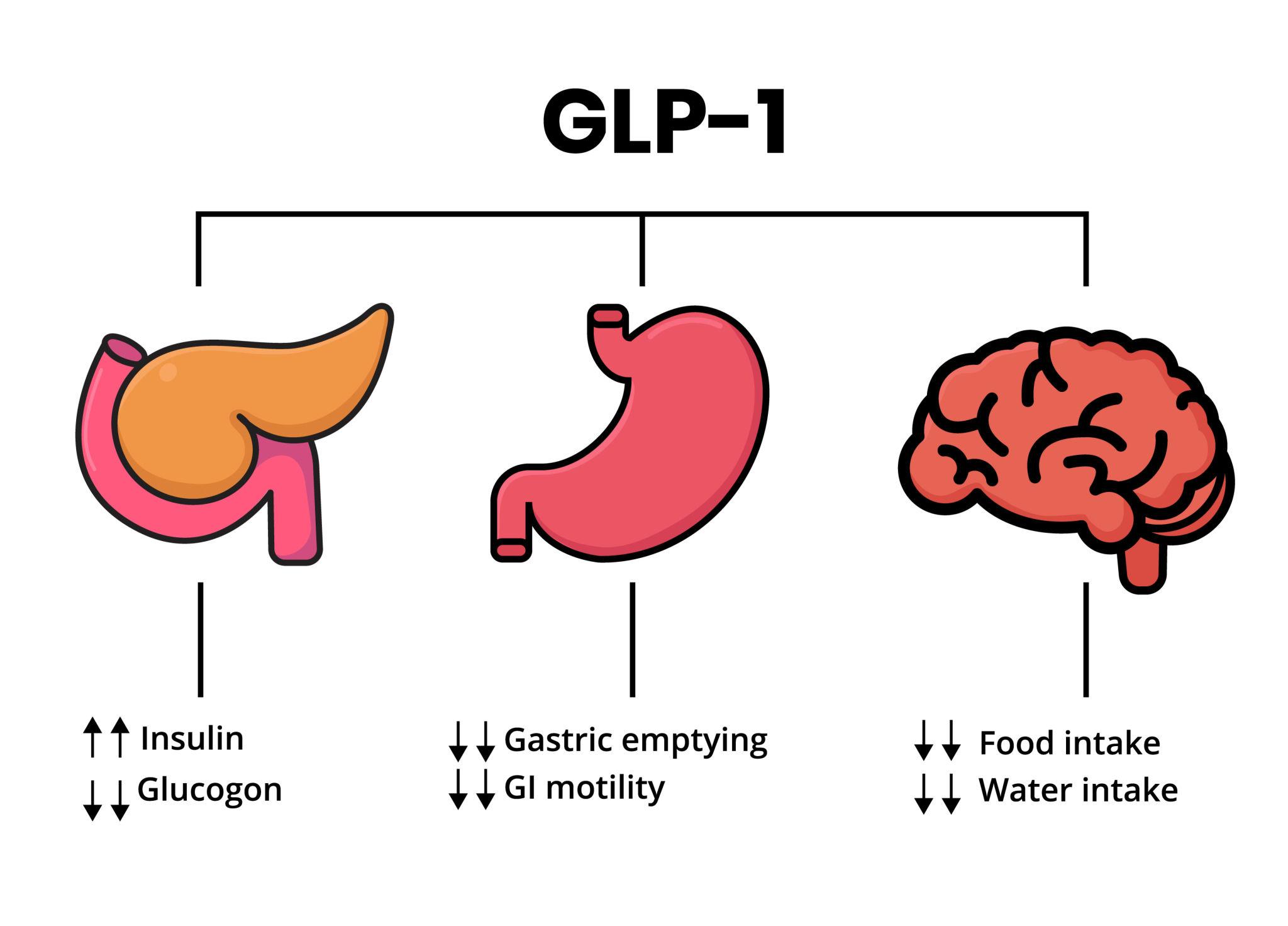
In reality, GLP-1 medications mimic a hormone that the body naturally produces. This hormone helps regulate several important functions, including appetite, digestion, and blood sugar levels.
Because of this, GLP-1 medications are often used as part of a provider-guided care plan designed to support metabolic health.
For many individuals, treatment also includes lifestyle support such as improved nutrition, movement, and metabolic monitoring. The goal isn’t a quick fix. The goal is helping the body regulate systems that influence metabolism and energy balance.
Myth: Anyone can take GLP-1 medications
Another common myth is that GLP-1 medications are appropriate for everyone.
In reality, eligibility is determined by a licensed medical provider who reviews a person’s health history and individual goals.
A provider may consider factors such as:
• medical history
• metabolic health
• weight management goals
• safety considerations
Some individuals are good candidates for GLP-1 treatment, while others may not be. That determination should always come from a qualified medical professional rather than social media opinions.
Myth: Everyone will experience the same results
Every body responds differently to treatment.
Hormones, metabolism, health history, and lifestyle habits all influence how someone responds to GLP-1 medications. Because of this, treatment plans are typically personalized and adjusted as needed.
Providers monitor progress and may modify dosing or other aspects of care to support the best possible outcomes for each individual.
Myth: Compounded GLP-1 medications aren’t safe
There is often confusion around compounded medications.
Compounded medications prepared through 503A compounding pharmacies operate under strict preparation standards and typically undergo sterility and potency testing.
Working with a licensed provider helps ensure medications are sourced appropriately and that treatment is monitored safely.
Myth: GLP-1 medications are too new to understand
While GLP-1 medications have recently gained attention for weight management, this class of medication has been studied for more than 40 years, particularly in diabetes care.
Research has demonstrated benefits related to:
• blood sugar regulation
• cardiovascular health
• metabolic support
Additional studies continue to explore potential benefits related to kidney and neurological health as well.
The Bottom Line
GLP-1 medications are designed to support metabolic health through:
✔ provider-guided care
✔ personalized treatment plans
✔ ongoing monitoring
They are not a quick fix, and they are not appropriate for everyone. But when used responsibly under medical supervision, they can be an important tool for individuals working to improve metabolic health.
Curious about learning more?
If you’re interested in exploring whether GLP-1 weight loss medications may be appropriate for you, the best place to start is with a licensed provider.
You can begin with the intake through my link, where a provider will review your health history and determine whether treatment may be a good fit for your situation.
This information is for educational purposes only and is not medical advice. For personalized care, please consult a licensed medical provider. The provider I personally use and trust is linked in my bio.